
New Construction Electrical Services in Traverse City and Nearby Areas
Complete Electrical Wiring and System Design for New Construction Builds
Building a custom home or commercial facility requires an experienced electrical partner who understands architectural blueprints, construction timelines, and local building codes. Pro Volt Electric provides comprehensive new construction electrical services across Northern Michigan and the Greater Grand Rapids region. Working directly with general contractors, custom home builders, and property owners, our licensed electricians handle everything from underground utility service installation and rough-in wiring to final fixture trim-out, delivering safe, scalable electrical systems built for long-term growth.
Our New Construction Electrical Solutions
We deliver complete end-to-end electrical construction services tailored for residential homes, commercial build-outs, and property expansions.
Troubleshooting and Repairs
Fast, accurate diagnostics to locate hidden wiring faults, fix dead outlets, and resolve breaker issues quickly.
Troubleshooting and Repairs
Fast, accurate diagnostics to locate hidden wiring faults, fix dead outlets, and resolve breaker issues quickly.
Troubleshooting and Repairs
Fast, accurate diagnostics to locate hidden wiring faults, fix dead outlets, and resolve breaker issues quickly.
Troubleshooting and Repairs
Fast, accurate diagnostics to locate hidden wiring faults, fix dead outlets, and resolve breaker issues quickly.
Troubleshooting and Repairs
Fast, accurate diagnostics to locate hidden wiring faults, fix dead outlets, and resolve breaker issues quickly.
EV Chargers
Dedicated Level 2 electric vehicle charging station installations for fast, safe overnight home charging.
Hot Tub Wiring
Code-compliant outdoor power feeds, subpanels, and emergency disconnect switches for hot tubs and spas.
RV Plugs
High-amperage dedicated exterior power pedestals and outlets for convenient, safe recreational vehicle hookups.
Generator Connections
Manual transfer switch and interlock kit installations to safely connect portable backup power directly to your panel.
Custom Home Wiring
Complete electrical planning, main panel placement, branch circuit rough-in, and fixture trim-out designed specifically for custom residential home builds.
Addition & Expansion Wiring
Seamless electrical extension layouts for residential additions and commercial facility expansions, ensuring safe integration between existing panels and new square footage.
Commercial Build-Outs
High-capacity power distribution, conduit runs, specialized equipment feeds, and commercial lighting installations for new commercial space build-outs.
Architectural Electrical Planning
Collaborative blueprint reviews, electrical load calculations, and switch placement planning to ensure optimal outlet and lighting placement before construction begins.
Underground & Overhead Service Installation
New electrical service installation, including meter bases, service entrances, and utility connections designed for new construction projects.
Interior and Exterior Lighting
Custom fixture installation, energy-efficient LED retrofits, recessed lighting layouts, and outdoor entry lighting.
Landscape Lighting
Low-voltage outdoor accent lighting to highlight pathways, gardens, patios, and architectural home features.

Our Four-Step New Construction Electrical Process
Blueprint Review and Load Design
We analyze architectural plans, calculate overall electrical loads, plan panel locations, and review outlet, switch, and fixture specifications with your project team.
Rough-In Wiring and Service Entrance
Our team installs main breaker panels, routes branch circuit wiring through framed studs, mounts electrical boxes, and sets up temporary construction power.
Rough Inspection Coordination
We coordinate with local building officials to conduct thorough rough-in electrical inspections, verifying code compliance before insulation and drywall are installed.
Fixture Trim-Out and Final Testing
Once drywall is finished, we install switches, outlets, cover plates, lighting fixtures, and appliances, completing full system testing prior to final occupancy approval.
Honest Recommendation
Responsive Service
Free Second Opinions
Upfront Pricing
Why Builders and Homeowners Count On Us
Licensed Technical Team
Clear Project Communication
Clean Job Sites
Regional Building Expertise
Full Business Insurance
Ownership From Start to Finish
Prepared Professional Crews
Work We Stand Behind
Excess humidity indoors
Uneven cooling throughout the home
Construction Planning Mistakes You Should Avoid
Undersized main electrical panels planned for future equipment expansions
Insufficient outlet placement along kitchen countertops and living area walls
Omitting dedicated high-amp circuits for EV chargers or backup generators
Inadequate exterior lighting and outdoor power outlet placement around patios
Poorly placed wall switches that are blocked by future door swings or furniture
Unplanned electrical load additions that cause costly mid-construction change orders
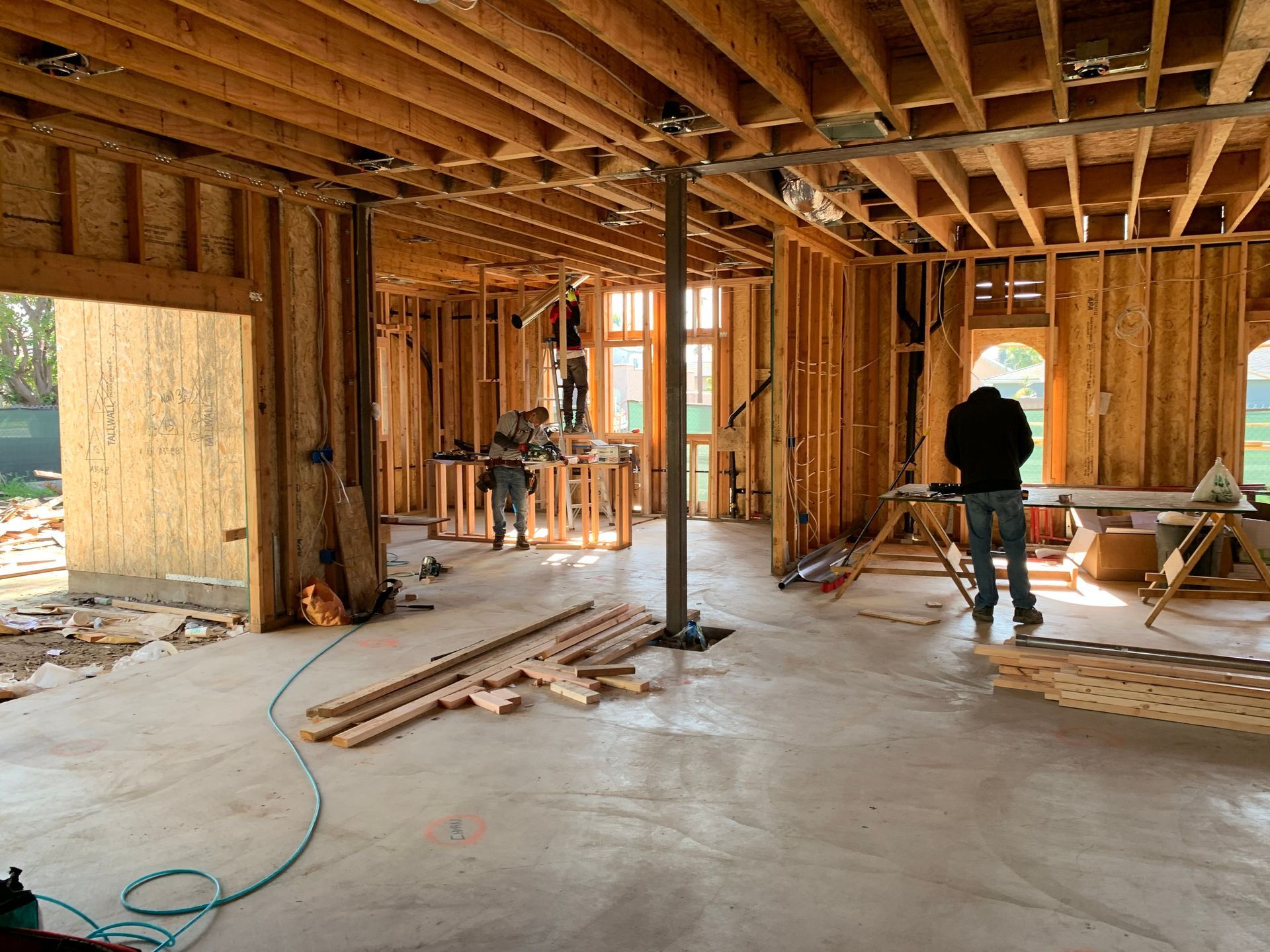
Deciding Between Standard Code Minimums and Future-Proof Electrical Planning
Installing basic electrical components that meet minimum building code requirements keeps initial construction costs low. However, planning for future technology additions during the framing phase is significantly more cost-effective than cutting into finished drywall years later. Pre-wiring for electric vehicle charging stations, adding a generator transfer switch, routing conduit for smart home automation, and installing a 200-amp or 400-amp panel during new construction protects your property value and ensures your electrical system easily adapts to evolving lifestyle demands.
Frequently Asked Questions About New Construction Electrical Work
At what stage of new home construction should the electrician begin work?
Electricians typically start once structural framing, roofing, and window installations are complete, creating a weather-tight environment. Rough-in wiring occurs before insulation and drywall are installed so cabling can be routed freely through open wall studs and ceiling joists.
What is the difference between electrical rough-in and trim-out?
Electrical rough-in involves pulling wires through framed studs, mounting outlet and switch boxes, and setting up main breaker panels before walls are closed. Trim-out takes place after drywall and painting, when switches, receptacles, cover plates, lighting fixtures, and appliances are installed and connected.
Should I consider a 400-amp electrical service for my new home?
A 400-amp service may be worth considering for larger homes or projects with substantial electrical demands, such as electric heating, multiple HVAC systems, EV chargers, hot tubs, workshops, generators, or future additions. Pro Volt Electric can review your plans and help determine whether a 200-amp or 400-amp service is the better fit for your home.
Who handles local electrical permits and municipal building inspections?
Pro Volt Electric pulls all required municipal electrical permits prior to starting construction and schedules required rough-in and final electrical inspections directly with local building officials to ensure complete code compliance.
Can EV charger outlets and generator transfer switches be pre-wired during new construction?
Yes, pre-wiring for EV chargers, backup standby generators, hot tubs, and outdoor kitchen power during the rough-in phase is highly recommended. Installing dedicated conduit and high-amperage cabling behind open framing saves time and eliminates expensive wall cutting later.
Fort Mill, SC
New Construction Electrical Work in Traverse City and Regional Service Areas
Traverse City
Lake Ann
Interlochen
Benzonia
Beulah
Frankfort
Honor
Bear Lake
Empire
Glen Arbor
Suttons Bay
Greater Grand Rapids Area
Contact Pro Volt Electric
Tell us about the electrical work you need, and our team will help determine the right next step.